People1 min read
Stuart H. Orkin, MD
Dr. Orkin is David G. Nathan Distinguished Professor of Pediatrics at Harvard Medical School. Dr. Orkin completed his medical graduation from Harvard Medical School in 1972…
Imported from onescdvoice.com
sickle cell disease · sickle cell · cell disease · sickle · cell · Researchers · Hematology · Investigational Stem Cell Therapy · Oncology · Pediatrics/Child Care
Content details
- Published
- Last updated
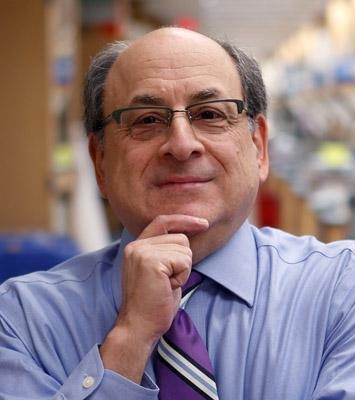
Dr. Orkin is David G. Nathan Distinguished Professor of Pediatrics at Harvard Medical School.
Dr. Orkin completed his medical graduation from Harvard Medical School in 1972, followed by postdoctoral research at the National Institutes of Health and clinical training in pediatrics and hematology-oncology at Children's Hospital Boston and DFCI, where he joined the faculty in 1978. He is currently a Howard Hughes Medical Institute Investigator and was elected to the 2019-2020 Council of the National Academy of Medicine.
Over the past decade, his laboratory has defined critical nuclear regulators of hematopoiesis. His work on the molecular pathology of inherited blood disorders also greatly improved the diagnosis and treatment of these conditions. Stuart Orkin's research focuses on stem cell biology, particularly the development and function of the blood system, the relationship between cancer and stem cells, and the mechanisms responsible for self-renewal of stem cells and the switch from fetal to adult hemoglobin.
Representative Publications:
Lineage-specific BCL11A knockdown circumvents toxicities and reverses sickle phenotype
Mathematical modeling of erythrocyte chimerism informs genetic intervention strategies for sickle cell disease
Genetic treatment of a molecular disorder: gene therapy approaches to sickle cell disease
Correction of sickle cell disease in adult mice by interference with fetal hemoglobin silencing
Medicine. Sickle cell disease at 100 years
DNA polymorphisms at the BCL11A, HBS1L-MYB, and beta-globin loci associate with fetal hemoglobin levels and pain crises in sickle cell disease
Online profile