
 Google


Trusted Resources: People & Places
Healthcare providers, researchers, and advocates
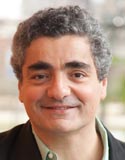
Eric E. Bouhassira, PhD
Researcher Professor, Department of Medicine (Hematology)
Albert Einstein College of Medicine
1300 Morris Park Avenue
Ullmann Building, Room 903A
Bronx, New York, United States
Dr. Eric E. Bouhassira joined the Albert Einstein College of Medicine in 1990. He began studying human embryonic stem cells in 2001. He is Director of the Medical School’s Center for Human Embryonic Stem Cell Research and Professor of Medicine and of Cell Biology. Dr. Bouhassira’s research focuses on developing hematopoietic (blood forming) stem cells that can differentiate into red blood cells, T cells, platelets, and all other cell types that comprise blood. This work could potentially aid patients needing transfusions and also save lives by expanding the immunology diversity of hematopoietic stem cells available for transplant.
Dr. Bouhassira is also interested in epigenetic regulation in the erythoid and hematopoietic lineage with a focus on DNA replication and DNA methylation. Dr. Bouhassira received his BS, MS, and PhD degrees from the Université Pierre et Marie Curie in Paris, France. Dr. Bouhassira also holds the Ingeborg and Ira Rennert Chair in Stem Cell Biology and Regenerative Medicine.
Areas of Research:
Pluripotent stem cells, erythroid differentiation, red blood cells, epigenetics, DNA methylation, DNA replication, bioinformatics, allele-specific expression, gene therapy, hemoglobinopathies
 +myBinder
Related Content
-
James D’Olimpio, MD, FACP, FAAHJames T. D'Olimpio, MD, FACP, FAAHPM is ...
-
Dr. Nina AndersonDr. Nina Anderson, completed her doctora...
-
Patient controlled analgesia for adults with sickle cell disease awaiting admission from the emergency departmentBackground: A treatment algorithm for s...
-
Children’s Hospital of The King’s Daughters Sickle Cell ProgramChildren's Hospital of The King's Daught...
-
Coronavirus Questions: Getting Answers From the Expertshttps://www.youtube.com/watch?v=iFavuPKV...
-
Individualized pain plans significantly reduce hospitalization in pediatric sickle cell patients with vaso-occlusive...Background: Vaso-occlusive crisis (VOC)...
-
@juliemakaniScientist|Doctor - Sickle Cell Disease f...