People1 min read
Andrew D. Campbell, M.D.
Dr. Campbell's distinguished training and career path began at Morehouse College. He continued medical school at Case Western Reserve University and completed post graduate…
Imported from onescdvoice.com
Researchers · Healthcare/Research · Hematology · Pediatrics/Child Care
Content details
- Published
- Last updated
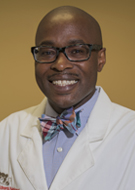
Dr. Campbell's distinguished training and career path began at Morehouse College. He continued medical school at Case Western Reserve University and completed post graduate training at Massachusetts General Hospital (Harvard) and Lurie Children's Hospital (Northwestern University). Prior to joining Children’s National, he was Director of the Comprehensive Sickle Cell Center at the University of Michigan, a position he held since 2005. His research interests span several topics in sickle cell disease including pulmonary complications, fetal hemoglobin switching in transgenic sickle cell mice, phenotype/genotype relationships, and renal complications.
Areas of Interest:
Pulmonary Hypertension in sickle cell disease
Phenotype/genotype Studies within twin and siblings with sickle cell disease
Morbidity and mortality in transitioning sickle cell patients
Fetal hemoglobin switching within sickle cell trangenic mice
Representative Publications:
Differences in the clinical and genotypic presentation of sickle cell disease around the world
An analysis of inpatient pediatric sickle cell disease: Incidence, costs, and outcomes
mTOR Inhibition improves anaemia and reduces organ damage in a murine model of sickle cell disease
Protective effect of HLA-DQB1 alleles against alloimmunization in patients with sickle cell disease
Single-session biofeedback-assisted relaxation training in children with sickle cell disease
Hereditary Persistence of Fetal Hemoglobin Caused by Single Nucleotide Promoter Mutations in Sickle Cell Trait and Hb SC Disease
Online profile