
 Google


Trusted Resources: News & Events
Latest announcements and gatherings
Gene-Edited ‘Supercells’ Make Progress In Fight Against Sickle Cell Disease
Doctors are reporting the first evidence that genetically edited cells could offer a safe way to treat sickle cell disease, a devastating, incurable disorder that afflicts millions of people around the world.
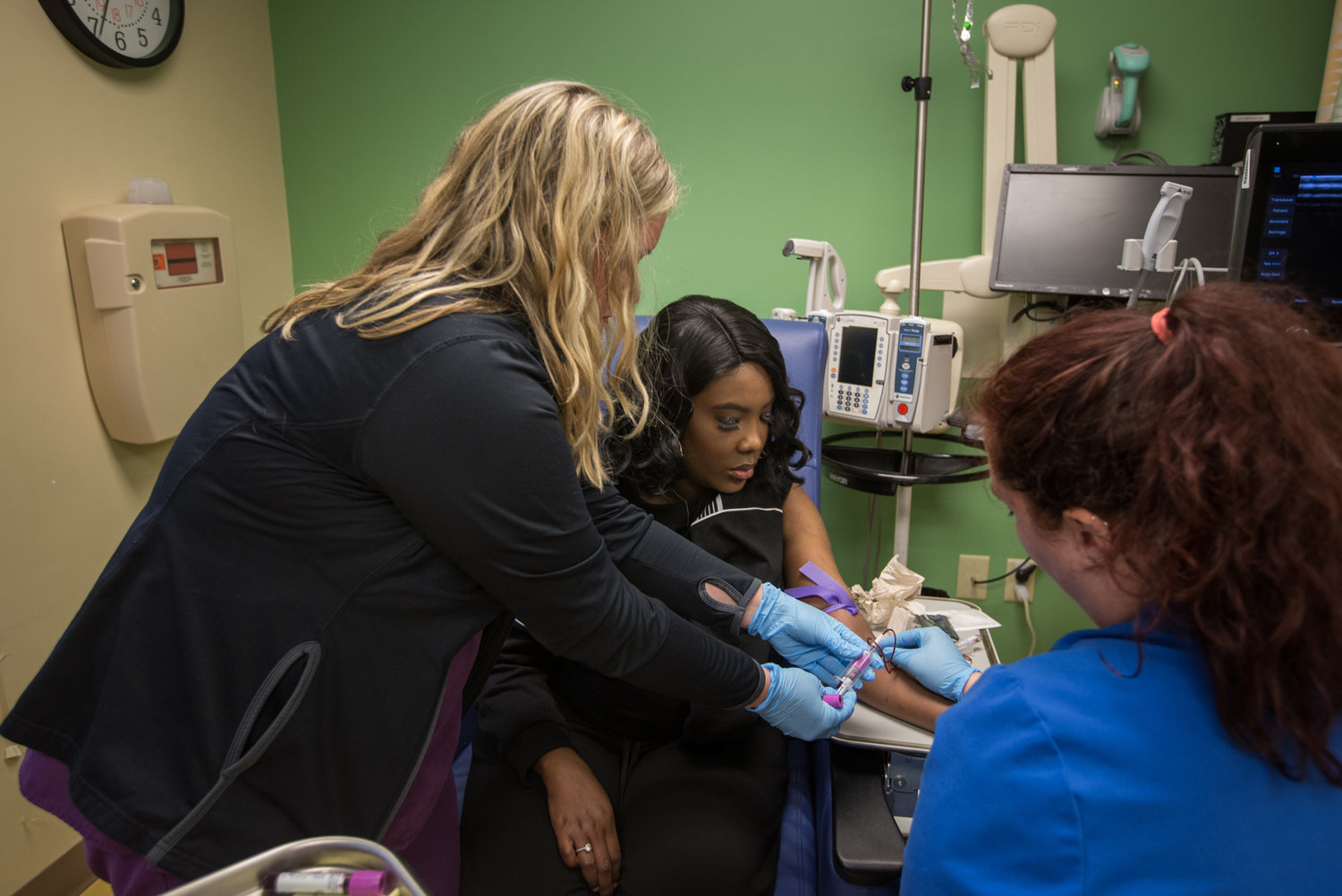
Billions of cells that were genetically modified with the powerful gene-editing technique called CRISPR have started working, as doctors had hoped, inside the body of the first sickle cell patient to receive the experimental treatment, according to highly anticipated data released Tuesday.
The edited cells are producing a crucial protein at levels that have already exceeded what doctors thought would be needed to alleviate the excruciating, life-threatening complications of the genetic blood disorder, the early data show. Moreover, the cells appear to have already started to spare the patient from the agonizing attacks of pain that are the hallmark of the disorder.
“We are very, very excited,” says Dr. Haydar Frangoul of the Sarah Cannon Research Institute in Nashville, Tenn., who is treating the patient. “This preliminary data shows for the first time that gene editing has actually helped a patient with sickle cell disease. This is definitely a huge deal.”
 +myBinder
Related Content
-
Oswaldo L. Castro, MDDr. Oswaldo Castro is Professor Emeritus...
-
Howard Woolley, MASHoward Woolley is a philanthropist with ...
-
Sickle Cell Disease Program at Arkansas Children’sArkansas Children's is the only hospital...
-
FDA Approves Novel Treatment to Target Abnormality in Sickle Cell DiseaseToday, the U.S. Food and Drug Administra...
-
Care Coordination for Children With Sickle Cell Disease: A Longitudinal Study of Parent Perspectives and Acute Care ...INTRODUCTION: Care coordination (CC), a ...
-
Risk Factors Associated With Increased Emergency Department Utilization in Patients With Sickle Cell Disease: A Syst...Sickle cell disease (SCD), a genetic dis...
-
Successful Gene Therapy for Sickle Cell DiseasePrior to this report, the only curative ...
To improve your experience on this site, we use cookies. This includes cookies essential for the basic functioning of our website, cookies for analytics purposes, and cookies enabling us to personalize site content. By clicking on 'Accept' or any content on this site, you agree that cookies can be placed. You may adjust your browser's cookie settings to suit your preferences. More Information
The cookie settings on this website are set to "allow cookies" to give you the best browsing experience possible. If you continue to use this website without changing your cookie settings or you click "Accept" below then you are consenting to this.
Powered by


SomeBodyToTalkTo connects people affected by rare diseases with trusted resources, supportive communities, and opportunities to share their experiences.