From the archive1 min read
The Upside of Bad Genes
For the last two decades, they’ve had the option of artificially fertilizing embryos and selecting only those that lack the sickle cell trait. Now a new possibility is on the…
Spotlight
About this article
- Source:
- nytimes.com(opens in a new tab)
- Published
- Last updated
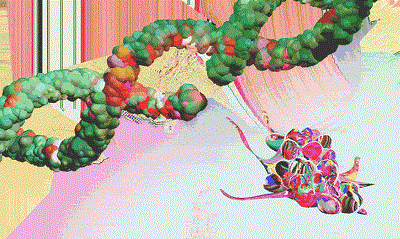
For the last two decades, they’ve had the option of artificially fertilizing embryos and selecting only those that lack the sickle cell trait. Now a new possibility is on the horizon: They may soon be able to edit the offending gene right out of their own sperm, eggs or embryos, erasing it from their bloodline forever.
The technology that will allow this is called Crispr-Cas9. It’s relatively cheap and it permits scientists to change DNA with an ease and precision that until now has been impossible. The promise is that it will transform medicine by vanquishing previously incurable diseases. The method is probably at least a few years away from being applied in clinical settings. Still, some are already worried that, when it comes to improving our own genome, we don’t yet know enough about how genes work to wield this power without unintended consequences.