News1 min read
Sickle cell disease enters the era of gene therapy, but cures don't come cheaply
About this article
- Published
- Last updated
- Further reading
- Read More(opens in a new tab)
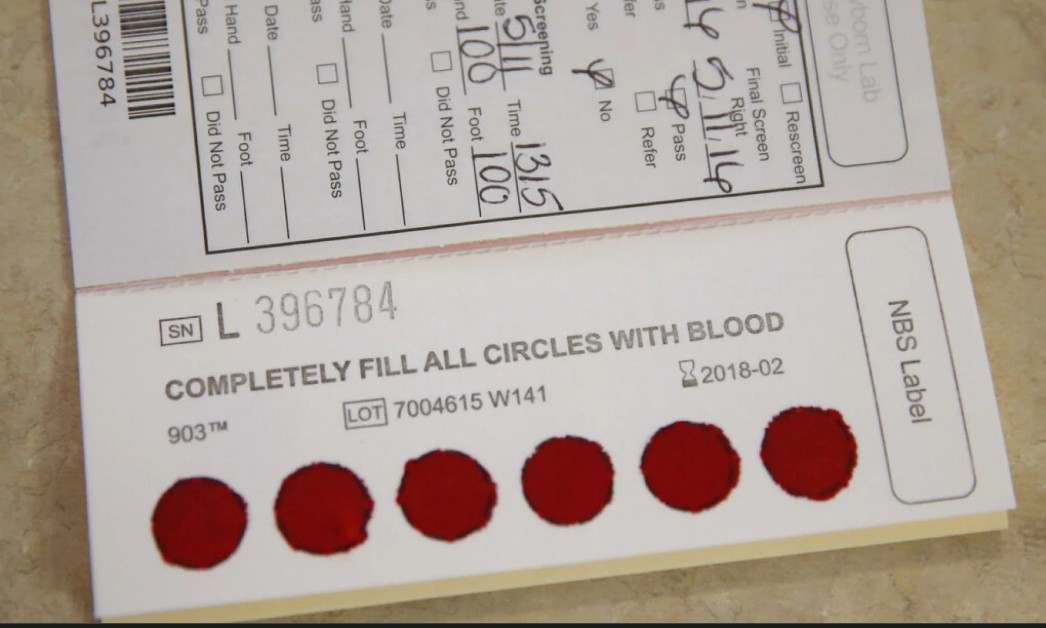
New gene therapies offer potential cures for sickle cell disease, but multimillion-dollar costs raise major questions about access and equity.
Sickle cell disease has long been treated as a lifelong condition. But the genetic blood disorder is entering a new era with bone marrow transplants and newly FDA-approved gene therapies offering the possibility of long-term remission or even a cure for some patients.
The problem, as always, is affordability and accessibility.
Sickle cell is an inherited condition that affects about 100,000 individuals in the U.S. About 90% are Black, but it is not a “Black disease.” Rather, it developed in the hemoglobin, a blood protein that carries oxygen through the body, to protect against malaria, a deadly mosquito-borne infectious disease.